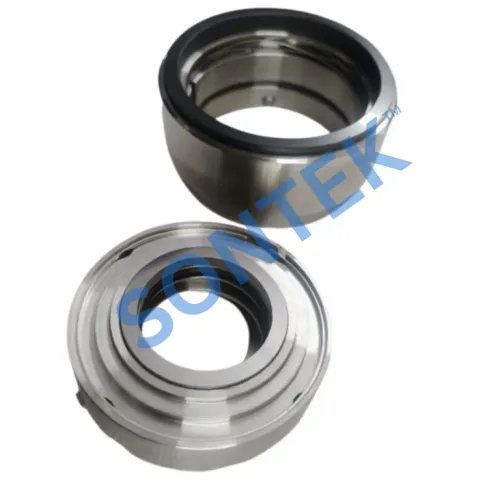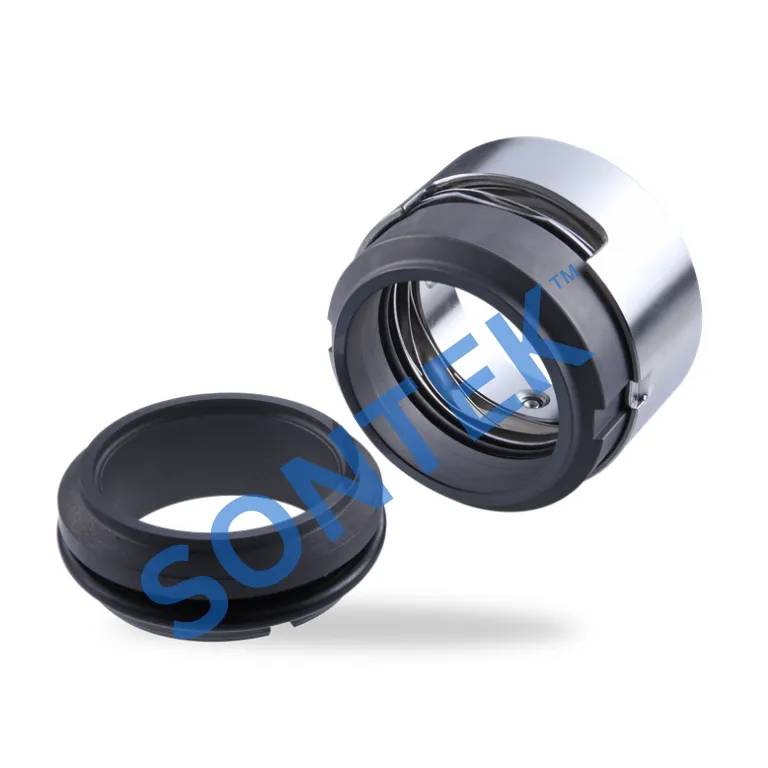
Nexton Seals Company is a trusted and leading and supplier of a comprehensive range of high-performance industrial sealing solutions designed to meet the diverse requirements of modern industries. oil seal, also known as a shaft seal or lip seal, is a critical mechanical component designed to retain lubricants like oil and grease within a housing while preventing dirt, dust, water, and contaminants from entering. Positioned between stationary and rotating components—such as a housing bore and a rotating shaft—it maintains a continuous seal along moving parts. By ensuring efficient fluid retention, oil seals prevent premature mechanical wear and safeguard machinery against catastrophic failure. The core operation of an oil seal relies on a flexible, dynamic sealing lip that maintains light, continuous contact against the rotating shaft. This primary sealing lip holds a micro-thin layer of lubricant between its edge and the shaft surface, reducing friction and preventing heat buildup. In addition to the primary lip, many oil seals feature an secondary dust lip that acts as a secondary barrier to block fine environmental debris, grit, and moisture from reaching the primary sealing area. Oil seals consist of three main internal components engineered to maintain structural integrity under dynamic motion. The outer metallic case provides rigidity and structural strength, ensuring a tight static fit inside the housing bore. Inside the seal, a dynamic elastomer lip (fabricated from materials like Nitrile, Viton, or Silicone) provides the necessary flexibility, while a coiled garter spring exerts constant radial force to keep the sealing lip firmly against the shaft, even as temps change or minor shaft deflection occurs. These seals are produced in a wide variety of designs tailored to specific operational pressures, temperatures, and dynamic speeds. Single-lip seals are commonly used for low-pressure applications containing clean fluids, whereas double-lip seals are deployed in dirty or harsh environments requiring extra protection against dust and debris. Materials are carefully matched to the operating environment—Nitrile (NBR) for standard oil and grease applications, Fluorocarbon (Viton) for high-temperature and aggressive chemical environments, and Silicone for extreme thermal stability. Proper selection and precise installation of an oil seal are essential to maximizing equipment lifespan and operational performance. Engineers must evaluate key operating parameters, including shaft speed, operating pressure, fluid chemical compatibility, shaft surface finish, and temperature range. With correct material selection, proper shaft preparation, and regular equipment maintenance, oil seals deliver dependable, long-term leakage protection in automotive transmissions, industrial gearboxes, hydraulic systems, and heavy power equipment.
Keywords